March 18, 2025
by
McKenzie Hagan
The journey to homeownership is one of the most significant financial and lifestyle decisions you'll ever make. While owning a home represents stability, investment potential, and a place to call your own, it also comes with considerable responsibilities, costs, and commitments. This comprehensive guide will help you assess whether you're truly ready to take the plunge into homeownership or if you might benefit from waiting.
At Foyer, we simplify the path to homeownership for first-time buyers. With personalized guidance and a roadmap tailored to your financial goals, you're never alone in this journey.
Before considering homeownership, you should have a reliable source of income and employment stability. Lenders typically look for:
Having stable income doesn't necessarily mean you need to be in the same job for years—what matters is your earning potential and industry stability. Consider how recession-proof your career is and whether your income is likely to grow over time.
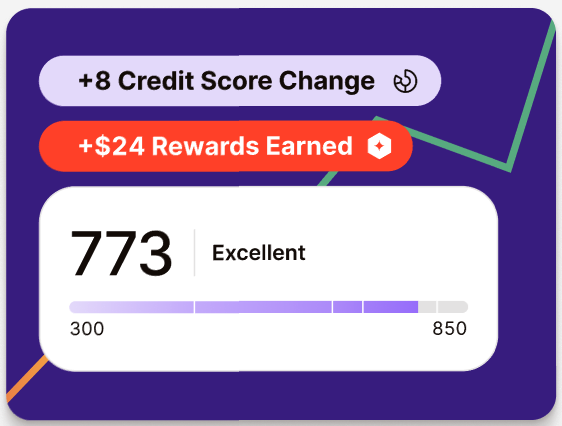
Your credit score significantly impacts your mortgage approval odds and interest rates. According to data from the Federal Reserve, the average credit score for successful mortgage applicants is around 720, though you can qualify with lower scores.
For homeownership readiness, aim for:
Remember that improving your credit score by even 20 points can potentially save thousands over the life of your mortgage.
Traditional financial wisdom suggests having a 20% down payment ready, but many first-time homebuyer programs allow for much less—sometimes as little as 3.5% with FHA loans or even 0% with VA and USDA loans for those who qualify.
Beyond the down payment, you'll need:
It's worth noting that putting down less than 20% usually means paying Private Mortgage Insurance (PMI), which adds to your monthly payment until you reach 20% equity.
Lenders closely examine your debt-to-income (DTI) ratio—the percentage of your monthly income that goes toward debt payments, including your potential mortgage.
To calculate your potential DTI with a mortgage, add up all monthly debt payments plus your estimated mortgage payment, property taxes, and homeowner's insurance, then divide by your gross monthly income.
Homeownership comes with unexpected expenses. Having a dedicated emergency fund—separate from your down payment savings—is crucial. Financial experts recommend having:
Without this financial cushion, one major home repair or personal emergency could put your homeownership dream in jeopardy.
Buying a home makes the most financial sense when you plan to stay put for at least 3-5 years. Consider:
The transaction costs of buying and selling homes (agent commissions, closing costs, etc.) can easily consume any equity gains if you sell too quickly.
Your current and future family situation should inform your housing decisions:
Remember that a home that perfectly fits your needs today might feel cramped or oversized as your family situation evolves.
Not everyone's lifestyle is suited for homeownership responsibilities:
Be honest about whether the maintenance responsibilities and relative permanence of homeownership align with your desired lifestyle.
With the rise of remote and hybrid work arrangements, your housing needs may have evolved:
The right housing choice should enhance rather than complicate your work situation.
First-time homebuyers are often surprised by the total monthly cost of ownership, which extends well beyond the mortgage payment. Be prepared for:
These additional costs can increase your monthly housing expenses by 50% or more compared to the base mortgage payment.
Unlike renting, where landlords handle repairs, homeowners bear the full responsibility for maintenance:
Maintenance isn't optional—deferred maintenance typically results in more expensive problems down the road and decreased property value.
Buying a home means committing significant capital that could be invested elsewhere:
While homeownership builds equity over time, the opportunity costs can be substantial, especially in the early years of a mortgage when payments are primarily going toward interest rather than principal.
Homeownership requires a level of responsibility that renters can avoid:
The psychological burden of being solely responsible for a major asset can be significant for some individuals.
Purchasing a home involves countless decisions:
If you struggle with decision fatigue or second-guessing yourself, the homebuying process can be particularly stressful.
Homeownership represents several major commitments:
Those who value flexibility and minimal entanglements might find these commitments constraining rather than comforting.
The housing market cycles between buyer's and seller's markets:
While waiting for the "perfect" market timing is generally discouraged (as it's impossible to consistently predict), extreme market conditions should factor into your decision-making process.
Mortgage interest rates have a profound impact on affordability:
Consider current rates relative to historical trends when timing your purchase.
Real estate is inherently local, with conditions varying dramatically by region:
Research local market factors thoroughly before deciding if the time is right to buy in your preferred location.
The rent vs. buy calculation varies widely depending on location and personal circumstances:
Online calculators can help with this analysis, but they require realistic inputs and assumptions to be valuable.
If you're not quite ready, continue renting while systematically addressing gaps:
View this as strategic preparation rather than delay or failure.
For those ready for ownership responsibilities but facing financial constraints:
These approaches can make homeownership more accessible while providing income to offset costs.
If you're not immediately ready, create a structured plan with:
Having a concrete plan transforms homeownership from a distant dream to an achievable goal with clear steps. Sign up for Foyer today to get started.
Use your preparation time to develop practical homeowner skills:
These skills will not only save you money but also increase your confidence as a future homeowner.
Start assembling professional relationships before you're ready to buy:
These relationships take time to develop, and having them in place before you begin house hunting gives you an advantage.
Be honest about these potential deal-breakers:
Addressing these issues before buying will set you up for sustainable homeownership rather than financial strain.
These lifestyle factors suggest homeownership might not be right at this time:
Homeownership should enhance, not complicate, your preferred lifestyle.
External factors that might suggest waiting:
Sometimes, even financially ready buyers should wait for more favorable market conditions.
Take advantage of programs designed for potential homebuyers:
Many of these programs connect to down payment assistance opportunities as well.
Research programs that might make homeownership more accessible:
Eligibility requirements vary widely, so investigate options specific to your location and situation.
Beyond your homebuying team, consider:
Professional guidance can identify opportunities and pitfalls you might miss on your own.
Create a comprehensive self-assessment covering:
Be honest with yourself about where you stand in each area.
Homebuying decisions involve both heart and head:
The right decision isn't always buying as soon as possible—it's buying when the timing serves your broader life goals.
Based on your assessment:
Remember that homeownership is not the only path to financial security or life satisfaction—it's one option that works well for some but not all.
Ultimately, readiness for homeownership cannot be reduced to a single formula or checklist. While financial metrics provide crucial guidelines, the right time to buy a home depends on your unique combination of circumstances, goals, and values.
The most successful homeowners are those who enter homeownership with clear eyes—aware of both the responsibilities and rewards, prepared for the challenges, and confident in their decision. By thoroughly assessing your readiness across all dimensions discussed in this guide, you can make an informed decision that serves your long-term well-being.
Whether you decide to buy now, create a preparation plan for the future, or choose an alternative path, the key is making a choice that aligns with your authentic priorities rather than external pressures or conventional wisdom. The right housing decision is the one that best supports the life you want to live.
This article is for informational purposes only and does not constitute financial or legal advice. Consult with qualified professionals regarding your specific situation before making major financial decisions.
to stay up to date on homeownership news

Foyer is a fintech company, not an FDIC-insured bank. Banking services provided by Pacific West Bank, Member FDIC. Deposit insurance covers the failure of an insured bank.
Legal Agreements